








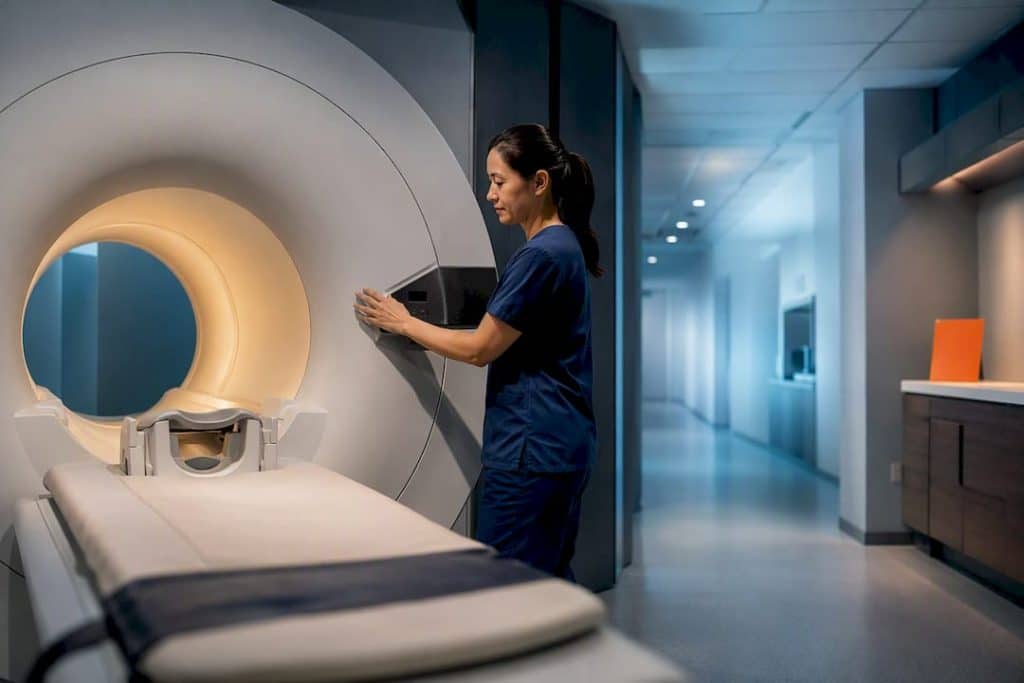
This page gives you a categorized set of ready-to-publish imaging center blog topics, plus a short editorial playbook for turning them into a working content plan. The topics split into three practical uses: patient education, referring-clinician engagement, and SEO-driven lead generation. AdJet Marketing built this list from real radiology client work, and you can adapt any topic below to your own clinic’s voice within a day.
TL;DR:
- Most impactful content includes patient “what to expect” posts, contrast FAQs, and results timelines, which generate quick engagement and trust.
- Production efforts should prioritize high-impact, low-effort topics first and align publication cadence with team capacity, typically monthly or biweekly.
- Content must undergo legal, radiologist, and consent reviews before publication to ensure compliance and accuracy.
- Repurposing one piece of content into multiple formats, such as videos and FAQs, maximizes value and reach across channels.
- Organic SEO and paid search work together, with organic growth taking three to six months, while paid ads can produce faster short-term results.
Table of Contents
- Imaging Center Blog Topics Organized by Purpose
- How to Prioritize Which Topics to Publish First
- Choosing Formats and Channels for Each Topic
- Building an Editorial Calendar That You Can Actually Sustain
- What Actually Moves the Needle for Imaging Centers
- Getting Your Imaging Center’s Content and Marketing Aligned
- Sources
Imaging Center Blog Topics Organized by Purpose
Most imaging centers post sporadically because nobody owns the topic list. Below is a working bank you can assign this quarter, grouped by the job each post needs to do.
Patient experience and comfort
- What to expect during your first MRI, minute by minute
- Why the machine is loud, and three ways we help you stay calm
- Claustrophobia and imaging: what actually helps
- Radiation safety explained in plain language for CT patients
- What contrast dye feels like, and who should avoid it
- Bringing a child in for imaging: a parent’s checklist
- Pain management during longer scans
Patient-facing “what to expect” content does real work here. It reduces pre-appointment anxiety and builds trust before the patient ever walks in, which shows up later as fewer cancellations and better show rates.
Exam prep
8. What to bring (and leave at home) for your imaging appointment
9. Clothing guidance by exam type
10. Fasting rules before a contrast CT, explained simply
11. Contrast administration FAQs: side effects, timing, allergies
12. Metal implants and MRI safety: what patients need to disclose
Results and follow-up
13. How to read your MRI report without a medical degree
14. Typical turnaround time by exam type, and why it varies
15. When to expect a call versus a portal notification
16. What happens if your scan needs a second look
17. Quality assurance behind the scenes: how we double check results
Clinician and referrer content
18. A case study format for referring physicians: complex finding, clean workflow
19. Recent protocol changes and what they mean for referral patterns
20. How we cut turnaround time on stat reads
21. Subspecialty spotlight: what our musculoskeletal radiologist looks for
Technology and innovation
22. AI in imaging, explained without the hype
23. How a new scanner changes patient comfort and scan time
24. Quantitative biomarkers: a primer for referring clinicians
25. What “structured reporting” actually means for accuracy
Marketing-focused, educational framing
26. How we work with primary care to speed up referrals
27. Why a dedicated imaging center often means faster access than a hospital outpatient department
28. What insurance actually covers for advanced imaging
Community and outreach
29. Recapping a free screening event and what we found
30. Partnering with a local clinic: how the referral process works
31. A patient story about early detection (with documented consent)
How to Prioritize Which Topics to Publish First
You cannot write all 75 topics in month one, and you shouldn’t try. Score each idea against two axes: business impact and production effort.
- High impact, low effort: “what to expect” posts, contrast FAQs, results-timeline explainers. Write these first.
- High impact, high effort: patient video testimonials, AI explainers requiring radiologist input. Schedule these next, once you have a review process.
- Low impact, low effort: seasonal or generic health tips. Fine as filler, never your priority.
- Low impact, high effort: deep technical pieces aimed at a tiny audience. Usually not worth the calendar slot.
Weight each topic further by which KPI it actually serves. A referral-facing case study feeds your clinician pipeline; a “what to expect” post feeds new patient volume; a results-timeline post feeds retention and fewer anxious phone calls.
Before anything goes live, run it through three checks: legal signoff on any patient-specific claim, a radiologist review for clinical accuracy, and documented image or story consent where a patient appears. Skipping the consent step is the single most common compliance mistake we see in imaging content.
Pro Tip: Keep a running list of clinical questions your front desk staff fields every week. Each recurring question is a pre-validated blog topic. It’s already proven someone wants the answer.
Choosing Formats and Channels for Each Topic
Not every topic belongs in the same format. A results-timeline explainer works as a blog post for SEO and as an FAQ snippet on your booking page. A claustrophobia post works far better as a 60 to 90-second video than as text, because seeing the bore of the machine calms people more than reading about it. LinkedIn is where your referrer content belongs, not your patient content.
- Blog posts: SEO-driven patient education, exam prep, results explainers
- Short video: anything about comfort, sensation, or the physical experience of the scan
- LinkedIn posts: protocol updates, AI integration notes, and subspecialty case threads for referring physicians
- FAQ pages: high-volume questions repurposed from blog content, placed near your booking flow
Repurposing is where most clinics leave value on the table. A single long blog post on MRI prep can become a short video script, three social captions, and one FAQ entry, all from one writing session. Film with closed captions from the start, and confirm patient consent before any face or voice appears on camera.
Building an Editorial Calendar That You Can Actually Sustain
Cadence should match your team size, not your ambition. A small clinic can sustain monthly posts. A medium-sized center with a marketing coordinator can manage biweekly. A larger multi-site group with dedicated staff can push weekly without burning out its reviewers.
- Clinician drafts the initial angle and key facts
- Radiologist checks technical accuracy
- Legal or compliance reviews any patient story or claim
- SEO review confirms the topic still targets real search intent
- Publish, then track organic visits, referral-page clicks, booking conversions, and time-to-results inquiries as your core KPIs
If bookings and referral clicks aren’t moving after two full quarters, the topic mix needs adjusting, not the whole strategy.
What Actually Moves the Needle for Imaging Centers
Most clinics that come to us have the same starting point: inconsistent content, or worse, content nobody reads because it was written for search engines and not for the person deciding whether to book a scan. That gap between what gets published and what actually earns trust is the real problem, not a lack of topic ideas.
Patient “what to expect” content and targeted referrer posts tend to produce the fastest visible traction, because they answer a question someone is actively asking right before they act. Broader thought-leadership pieces on AI or protocol changes build authority over time, but they rarely convert on their own. Paid search fills the funnel faster than organic content ever will, often within weeks, while SEO and blog authority typically need three to six months before you see steady, compounding traffic. Neither replaces the other. One imaging client we’ve worked with saw this play out directly, which you can review in AdJet’s radiology marketing case study.
One more thing worth watching: CMS site-neutral payment changes are reshaping outpatient imaging economics, and the ACR has flagged the CY 2027 proposals as something practices need to understand operationally, not just financially. A clear, non-alarmist explainer on what this means for your patients and referring physicians is one of the few regulatory topics that genuinely belongs on a clinic blog right now.
— Felix
Getting Your Imaging Center’s Content and Marketing Aligned
You don’t need a full agency retainer to start publishing well. What you need is a content plan that connects to actual lead generation, not just a calendar of blog posts sitting unread. Adjetmarketing works specifically with imaging centers and radiology practices to pair content production with the SEO structure and Google Ads campaigns that turn “what to expect” posts and referrer content into booked scans, not just page views.
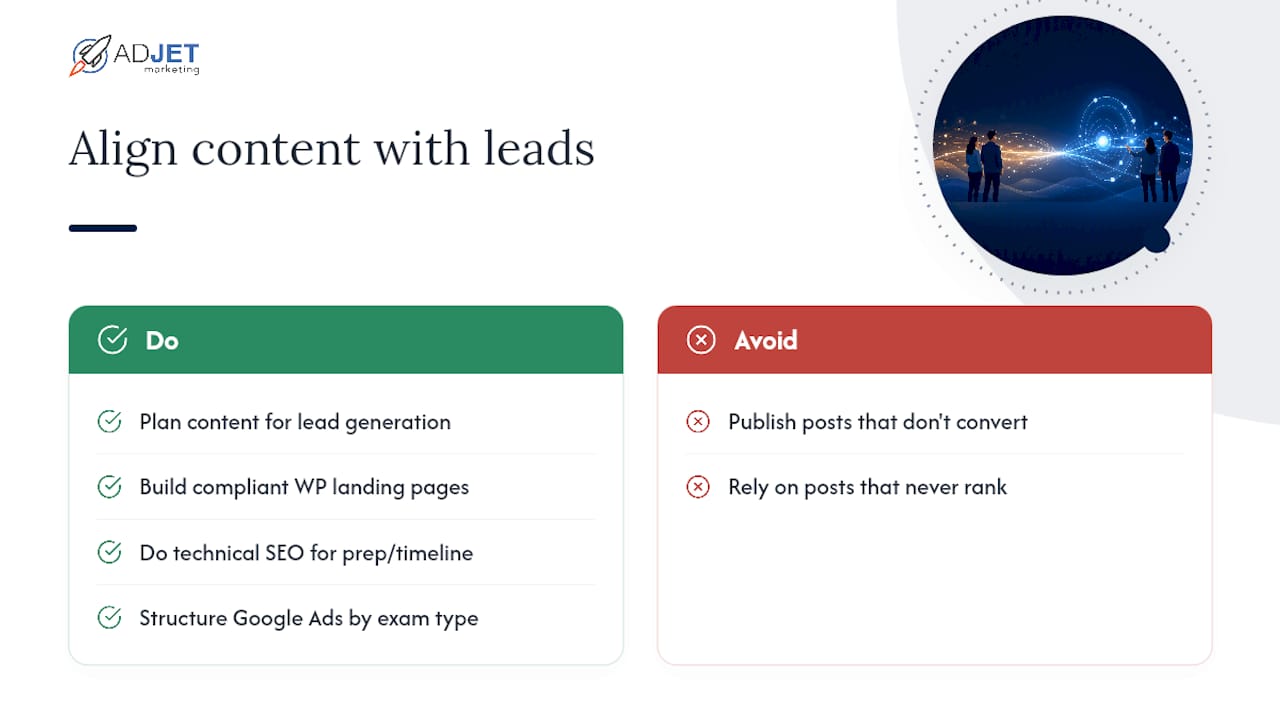
That means compliant WordPress landing pages built around your highest-intent topics, technical SEO so your results-timeline and prep pages actually rank, and Google Ads structured around the exam types that drive revenue. If you want to see how this played out for a real diagnostic imaging client, review the radiology digital marketing case study or check why specialized medical marketing matters for your practice and request a brief consult to map your first quarter of content and campaigns.
Sources
- Patient experience: Imaging centers’ new competitive advantage | Clarity Imaging Partners
- Site-neutral imaging payments (ACR Bulletin)
- 10+ LinkedIn post examples for radiologists (Writio)